Enzyme Cleaner FAQ: 30 Common Questions Answered
Table of Contents
Enzyme cleaners use natural proteins (enzymes) to break down organic stains and odors at the molecular level. They’re considered non-toxic around pets and kids, safe for most surfaces, and work best when you give them enough time and moisture. We’ve pulled together the 30 most common enzyme cleaner questions and grouped them into five categories so you can jump straight to what you need.
If you want a deeper explanation before jumping into the Q&A, read our full guide on what enzyme cleaners are and how they work.
How enzyme cleaners work (questions 1-6)
Q1. What is an enzyme cleaner?
An enzyme cleaner is a cleaning product that uses natural proteins called enzymes to break down organic matter. That includes urine, blood, food residue, and grease. Unlike chemical cleaners that mask or dissolve stains on the surface, enzyme cleaners digest the source material at a molecular level.
The result is a cleaner that removes both the stain and the odor, not just one or the other. For a detailed breakdown, check out our explainer on proteases, lipases, and amylases explained. For the scientific background on how enzymes function as catalysts, the NCBI enzyme reference is a solid resource.
Q2. How do enzyme cleaners work?
Enzymes act as biological catalysts. Each enzyme type targets a specific kind of molecule:
- Proteases break down proteins (urine, blood, sweat)
- Lipases break down fats and oils (cooking grease, body oils)
- Amylases break down starches (food residue, some plant-based stains)
The enzymes split large organic molecules into smaller pieces. Beneficial bacteria in the cleaner then consume those smaller pieces, leaving the surface clean and odor-free.
Q3. Do enzyme cleaners really work?
Yes, for organic stains and odors. Enzyme cleaners work well on urine, blood, vomit, food spills, grease, and other biological material. They don’t work on mineral deposits, rust, or purely chemical stains.
Effectiveness depends on three factors: contact time, temperature, and whether you’re using the right enzyme type for the stain. A protease-based cleaner won’t do much against a grease stain, and a lipase formula isn’t built for urine.
Q4. How long does an enzyme cleaner take to work?
It depends on the stain:
- Fresh stains: 15-30 minutes
- Set-in stains: 8-24 hours
- Very old or deep stains: May need 2-3 repeat applications
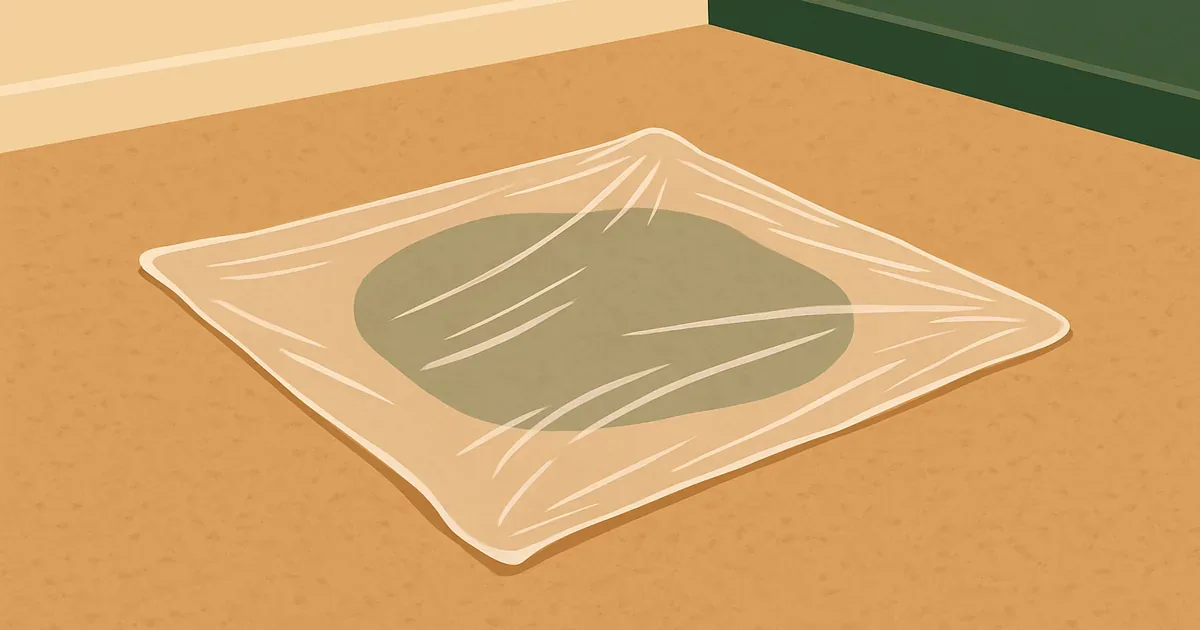
The area needs to stay moist for enzymes to keep working. Cover treated spots with plastic wrap or a damp cloth to prevent the cleaner from drying out too soon. For more detail, see our full guide on how long enzyme cleaners take to work.
Q5. What’s the difference between an enzyme cleaner and a regular cleaner?
Regular cleaners use chemicals (surfactants, solvents, oxidizers) to dissolve or mask stains. They can make a stain look and smell clean on the surface, but the organic material is often still there at a molecular level.
Enzyme cleaners biologically digest the stain source. That’s why they’re the go-to for pet urine: regular cleaners leave behind uric acid crystals that still smell to your pet, while enzyme cleaners break those crystals down completely. Read our enzyme cleaner vs vinegar comparison for a side-by-side look.
Q6. Can you mix enzyme cleaners with other cleaning products?
No. Bleach, vinegar, hydrogen peroxide, and most chemical cleaners kill the enzymes on contact. This makes your enzyme cleaner useless.
Always apply enzyme cleaners to a rinsed surface. If you’ve already used a chemical cleaner on the area, rinse it thoroughly with plain cold water and let it dry before applying the enzyme product.
⚠️ Don't Mix Cleaners
Enzyme cleaners and chemical cleaners don’t play well together. Bleach, vinegar, and ammonia all destroy enzymes. If you’ve already cleaned a spot with any of these products, rinse the area well with cold water and let it dry fully before applying an enzyme cleaner.
Enzyme Types and What They Clean
| Enzyme | Targets | Common Stains |
|---|---|---|
| Protease | Proteins | Urine, blood, sweat, egg, milk, grass |
| Lipase | Fats and oils | Cooking grease, body oils, butter |
| Amylase | Starches | Food residue, pasta, chocolate |
Safety questions (questions 7-12)
Q7. Are enzyme cleaners safe for pets?
Most enzyme cleaners are considered non-toxic and safe for use around pets once the treated surface has dried. The enzymes themselves are natural proteins that occur in many biological processes, including your pet’s own digestive system.
Keep pets off wet treated surfaces until the area dries. Always check the product label for specific warnings. The ASPCA Animal Poison Control Center is a good resource if you’re concerned about a specific product. For a full breakdown, see our guide on enzyme cleaner safety for pets and kids.
Q8. Are enzyme cleaners safe for kids?
Generally yes. Most enzyme cleaners are considered non-toxic, but keep children off wet treated surfaces during the active cleaning period. Once the area is dry, it’s typically fine for normal use.
If you have a child with chemical sensitivities, look for fragrance-free enzyme cleaner formulas. These skip the added scents and dyes that are the most common irritants.
Q9. Can enzyme cleaners damage surfaces?
Enzyme cleaners are safe for most common surfaces: carpet, tile, sealed hardwood, and machine-washable fabric. They’re gentler than chemical cleaners because they work through biological action rather than chemical reactions.
A few surfaces need caution:
- Unsealed stone or marble: Test in a hidden spot first
- Delicate fabrics (silk, wool): Spot-test before full application
- Unfinished or wax-finished wood: Use sparingly and wipe dry quickly
Q10. Are enzyme cleaners septic safe?
Yes. Enzyme cleaners are beneficial for septic systems. The enzymes and bacteria in the cleaner actually help break down organic waste in the tank, which is exactly what a healthy septic system needs.
Some enzyme products are specifically formulated for septic system maintenance. These contain higher concentrations of the bacteria strains that thrive in septic environments. The EPA’s guide to septic system care covers best practices for keeping your system healthy.
Q11. Do enzyme cleaners have a strong smell?
Most enzyme cleaners have a mild or neutral scent. The cleaning process itself doesn’t produce strong odors since the enzymes are breaking down, not masking, the source of the smell.
Some brands add light fragrances like citrus or lavender. If scent sensitivity is a concern, fragrance-free formulas are widely available. The absence of strong chemical fumes is one of the reasons people choose enzyme cleaners over conventional products.
Q12. Can enzyme cleaners cause allergic reactions?
Rare, but possible. The enzymes themselves rarely cause reactions. The more common culprits are added fragrances, dyes, or preservatives in the formula.
If you or someone in your household has skin sensitivities, choose a fragrance-free, dye-free enzyme cleaner. Wear gloves during application as a precaution, and always wash your hands after handling any cleaning product.
Application questions (questions 13-20)
Q13. How do you use an enzyme cleaner?
The basic process is four steps:
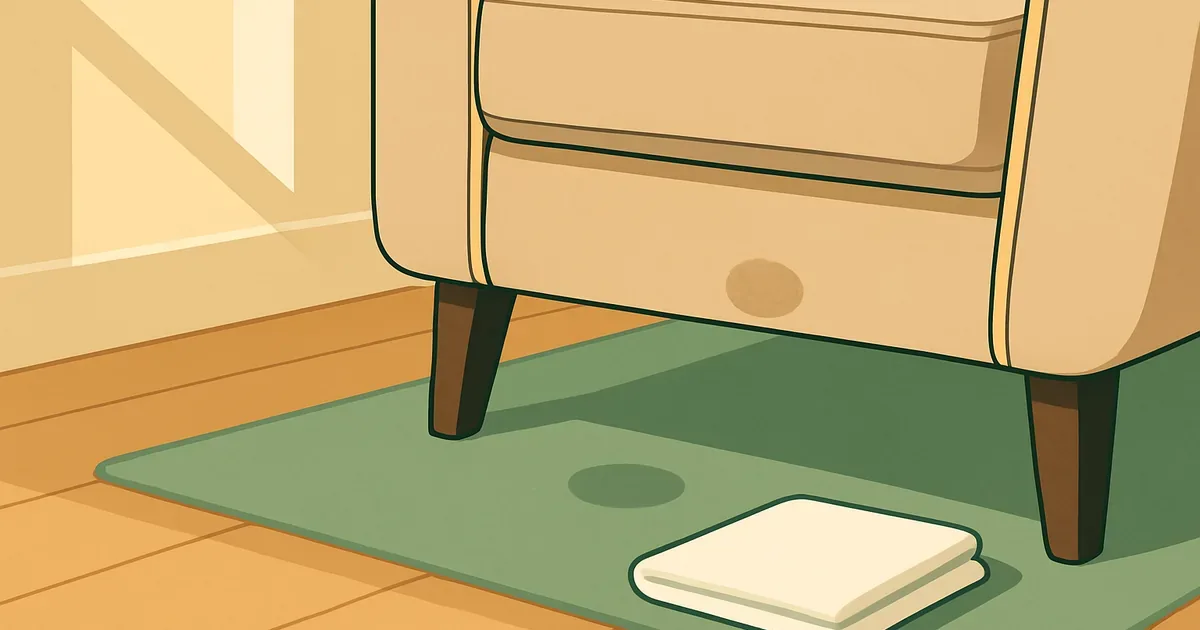
- Blot excess material. Remove any solid matter or blot up liquid with a clean cloth. Don’t rub.
- Apply enzyme cleaner generously. Spray or pour enough product to saturate the stained area. The cleaner needs to reach everywhere the stain went.
- Wait. Fresh stains need 15-30 minutes. Set-in stains need 8-24 hours. Cover with plastic wrap or a damp cloth to keep the area moist.
- Blot dry. Press clean cloths into the area to absorb the cleaner and dissolved residue, then let it air dry.
For a complete walkthrough, see our step-by-step urine stain removal guide.
Q14. Can you use enzyme cleaners in a carpet cleaner machine?
Some enzyme cleaner formulas are safe for machine use. Check the product label for machine compatibility.
One important rule: avoid hot water settings. Heat above 140F deactivates enzymes. Use cold or lukewarm water in your machine, and skip the heated drying feature if your machine has one.
Q15. Do you need to rinse after using an enzyme cleaner?
Not always. Most enzyme cleaners can air-dry on carpet, upholstery, and other absorbent surfaces without rinsing. The enzymes continue working as the area dries, and the residue is minimal.
For food preparation surfaces (countertops, cutting boards), rinse with clean water after the enzyme cleaner has finished working. This is a food safety precaution, not a product safety concern.
Q16. Can you use enzyme cleaners on hardwood floors?
Yes, on sealed hardwood. Apply the enzyme cleaner, let it sit for 15-30 minutes, then wipe the floor completely dry. Don’t leave moisture sitting on wood floors for hours.
Avoid enzyme cleaners on unfinished or wax-finished hardwood. These wood types absorb moisture, which can cause swelling or discoloration. If you need to treat unsealed wood, apply sparingly and wipe dry within 10-15 minutes.
Q17. Do enzyme cleaners work on old stains?
Yes. Enzyme cleaners break down organic material regardless of age. The catch is that older stains need significantly more contact time and may need repeat applications.
For old stains, saturate the area, cover with plastic wrap, and let the enzyme cleaner sit for 8-24 hours. Very old stains (months or years) may need 2-3 full treatments. Learn more in our guide on enzyme cleaners for set-in stains.
💡 Old Stains Need Patience
The older the stain, the more time and product you need. Cover the treated area with plastic wrap and leave the enzyme cleaner on for a full 24 hours. Don’t be discouraged if the first application doesn’t finish the job. A second round usually does.
Q18. Can you use enzyme cleaners on mattresses?
Yes. Apply the enzyme cleaner to the stained area, cover with plastic wrap, and let it sit for 8-12 hours. Then blot up excess moisture and let the mattress air dry completely before putting sheets back on.
Good air circulation speeds up drying. Stand the mattress on its side if possible, or point a fan at the treated area. Full drying can take 24-48 hours depending on humidity.
Q19. Do enzyme cleaners work in cold water?
Yes. Most enzyme cleaners are designed for room temperature use and work fine in cold water. They actually work faster in lukewarm water (around 70-90F) because mild warmth speeds up enzyme activity.
The water to avoid is hot water. Anything above 140F permanently deactivates the enzymes. If you’re diluting an enzyme cleaner or rinsing a surface before application, stick with cold or lukewarm water.
Q20. Can you use enzyme cleaners on colored fabrics?
Most enzyme cleaners are color-safe because they target organic material, not fabric dyes. The biological action of enzymes is much gentler than the bleaching or oxidizing action of chemical stain removers.
Still, spot-test first. Apply a small amount of enzyme cleaner to a hidden area of the fabric and wait 10 minutes. If there’s no discoloration, you’re good to treat the full stain.
Product questions (questions 21-25)
Q21. What’s the best enzyme cleaner for pet urine?
It depends on your situation. For all-around pet urine cleanup, Rocco & Roxie enzyme cleaner is a strong choice with broad-spectrum enzymes and consistently positive user reviews. For severe or old cat urine stains, Anti Icky Poo enzyme cleaner is formulated with higher enzyme concentrations.
Check our detailed picks for the best enzyme cleaners for cat urine and best enzyme cleaners for dog urine for product comparisons specific to your pet.
Q22. Are all “pet stain removers” enzyme cleaners?
No. Many products labeled as “pet stain removers” use oxidizers, surfactants, or fragrances instead of enzymes. These can remove visible stains but won’t break down uric acid crystals, so the odor often comes back.
To verify, check the label for the word “enzyme,” “enzymatic,” or specific enzyme names like protease, lipase, or amylase. Our guide on which popular products are actually enzyme cleaners covers this in detail.
ℹ️ Check the Label
Not every “pet stain remover” contains enzymes. Look for words like “enzymatic,” “enzyme-powered,” or specific enzyme names (protease, lipase, amylase) on the ingredient list. If the label only mentions surfactants, oxidizers, or fragrances, it’s not an enzyme cleaner.
Q23. Can you make a homemade enzyme cleaner?
Yes, it’s possible. The most common DIY method involves fermenting citrus peels with brown sugar and water for about three months. The fermentation process produces enzymes that can break down some organic matter.
The trade-off: homemade versions are weaker and less predictable than commercial formulas. They work reasonably well for light surface cleaning but struggle with deep stains or heavy odors. For instructions, see our guide on how to make a DIY enzyme cleaner at home.
Q24. Do enzyme cleaners expire?
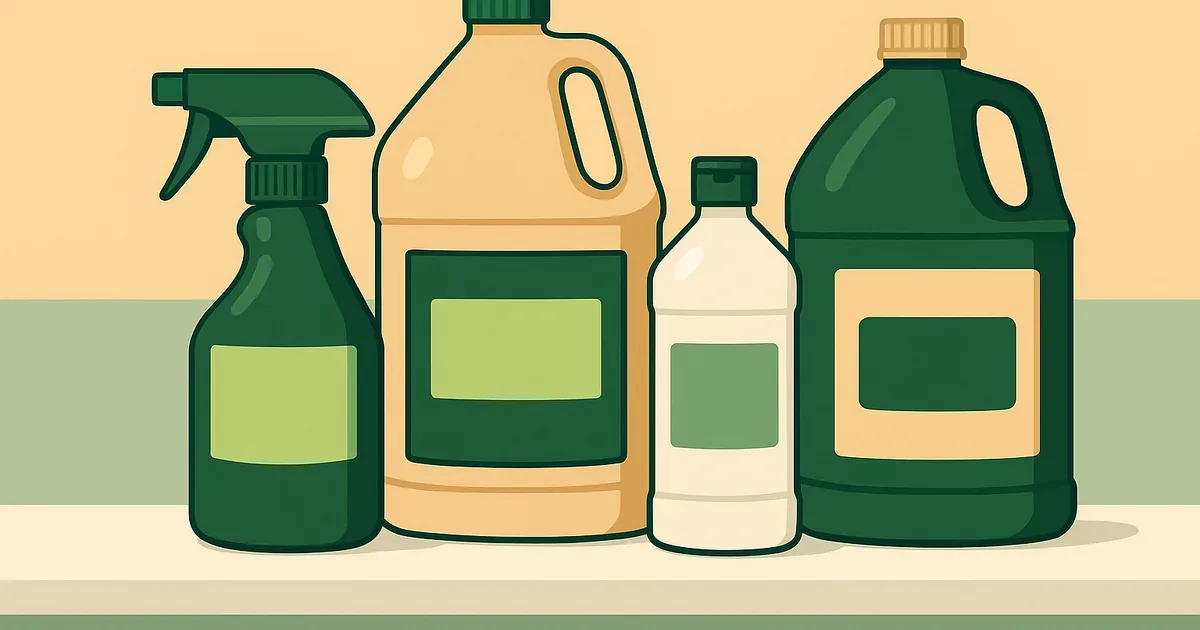
Yes. Most enzyme cleaners last 1-2 years unopened. Once opened, they’re generally good for about a year if stored properly.
Heat and direct sunlight shorten shelf life because they deactivate the enzymes over time. Store enzyme cleaners in a cool, dark place. If your bottle has been sitting in a hot garage for a year, the enzymes may be less effective or completely inactive.
Q25. Is vinegar an enzyme cleaner?
No. Vinegar is an acetic acid solution. It works through chemical action (dissolving minerals, cutting through soap scum) and has no enzymatic properties at all.
Vinegar actually interferes with enzyme cleaners. Its low pH (around 2-3) creates an environment too acidic for enzymes to function. If you’ve cleaned an area with vinegar, rinse it well with water and let it dry before applying an enzyme cleaner.
DIY and troubleshooting (questions 26-30)
Q26. Why didn’t the enzyme cleaner work?
Four common reasons:
- Not enough product. You need enough enzyme cleaner to reach everywhere the stain went. A light spray on top won’t treat urine that soaked an inch into carpet padding.
- Dried out too fast. Enzymes only work while the area is moist. Cover treated spots with plastic wrap.
- Mixed with chemicals. Bleach, vinegar, or other cleaners in the area killed the enzymes before they could work.
- Wrong enzyme type. A urine-specific formula (uricase) won’t break down a grease stain. Make sure the product matches the stain.
Q27. Can you apply enzyme cleaner twice?
Yes. Repeat applications are normal for tough or old stains. Let the first treatment dry fully before reapplying. Each round breaks down more of the organic material.
For severely soiled areas, three applications may be needed. Give each application the full recommended contact time. Rushing won’t save time if you end up needing extra rounds.
Q28. Why does the smell come back after using enzyme cleaner?
The stain likely went deeper than the cleaner reached. This is especially common with carpet. Urine soaks through the carpet fibers into the pad underneath, and sometimes into the subfloor. If you only treated the carpet surface, the source of the odor is still below.
The fix: reapply with more product. Saturate the area so the enzyme cleaner soaks through to wherever the urine went. Cover with plastic wrap and give it a full 24 hours.
Q29. Do enzyme cleaners work on grease?
Yes, if the product contains lipase enzymes. Lipases specifically break down fats, oils, and grease by splitting triglycerides into glycerol and fatty acids that rinse away with water.
Check the product label for “lipase” or “grease” in the description. Not all enzyme cleaners target grease. Products designed primarily for pet urine may focus on proteases and uricase without including lipase.
Q30. Can enzyme cleaners unclog drains?
They help with organic buildup. Enzyme cleaners break down hair, food particles, soap scum, and grease that accumulate inside drain pipes over time. Used regularly, they’re an effective preventive measure.
They won’t clear hard blockages like mineral deposits, tree roots, or objects stuck in the pipe. For those, you need mechanical clearing (a plumber’s snake or professional service). Our picks for the best enzyme drain cleaners cover the products built specifically for drain maintenance.
💡 Prevention Beats Treatment
The best use for enzyme drain cleaners is prevention, not emergency unclogging. A weekly dose keeps organic buildup from accumulating in the first place. It’s much cheaper than a plumber visit.
Quick reference
Here’s a summary table of the most common questions and short answers:
| Question | Short Answer |
|---|---|
| Do they work? | Yes, on organic stains and odors |
| Safe for pets? | Most are non-toxic once dry |
| Safe for kids? | Yes, keep off wet surfaces |
| How long to work? | 15 min (fresh) to 24 hrs (old) |
| Mix with bleach? | Never |
| Mix with vinegar? | Never |
| Work on old stains? | Yes, need more time |
| Work on grease? | Yes, with lipase enzymes |
| Expire? | Yes, 1-2 years shelf life |
| Septic safe? | Yes, beneficial for septic |
Still have questions?
We’ve covered the 30 most common questions, but enzyme cleaners are a broad topic. If you’re looking for specific product recommendations, start with our best pet stain and odor removers roundup. If you want to understand the science in more depth, our guide on what enzyme cleaners are goes into the biochemistry behind these products.
Frequently Asked Questions
How do enzyme cleaners work?
Do enzyme cleaners really work?
Are enzyme cleaners safe for pets and kids?
How long does enzyme cleaner take to work?
Can you mix enzyme cleaners with bleach or vinegar?
Why didn't my enzyme cleaner work?
Cleaning Product Researcher
Sarah Chen is a pen name for our lead product researcher. A lifelong dog person who now shares her home with two cats, she's no stranger to enzyme cleaners. She writes the guides and reviews on this site based on product research, ingredient analysis, and real user feedback.