How to Get Dog Pee Smell Out of Carpet for Good
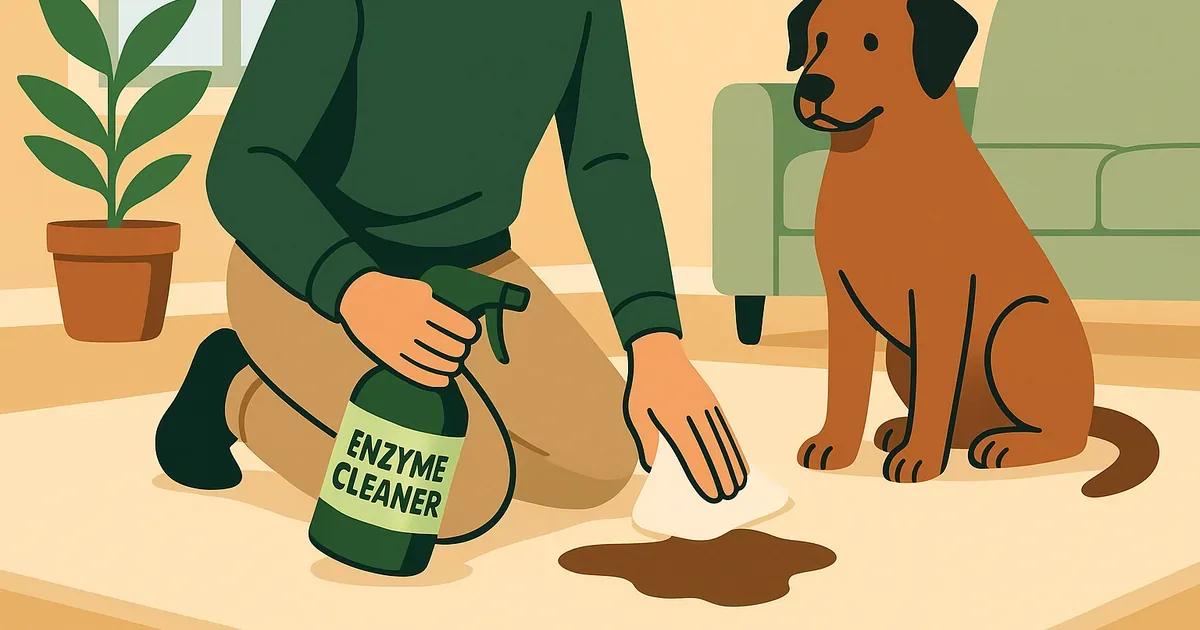
Table of Contents
Enzyme cleaner is the only reliable way to remove dog pee smell from carpet permanently. The reason most home remedies fail is that dog urine soaks past the carpet fibers into the pad underneath. You have to treat the pad, not just the surface.
This guide covers the pad-soaking problem most people miss, the step-by-step enzyme treatment process, the injection method for deep stains, a subfloor protocol for severe cases, and when to call a professional instead of fighting it yourself.
Why Dog Pee Smell Keeps Coming Back
If you’ve cleaned a urine spot and the smell returned a few days later, you’re not alone. This is the most common complaint from dog owners dealing with carpet odor.
Here’s why it happens. Dog urine doesn’t just sit on top of the carpet. It soaks through the fibers, through the carpet backing, and into the pad underneath. A large dog can produce enough urine in a single accident to saturate carpet pad in an area twice the visible stain size.
As the urine dries, it forms uric acid crystals. These crystals are the real problem. They sit dormant until humidity rises, then they reactivate and release that familiar smell all over again. This is why a room can smell fine for weeks and then suddenly reek on a warm, humid day.
Vinegar and baking soda mask the smell temporarily. They don’t break down uric acid. Only enzyme cleaners break down uric acid at the molecular level. That’s what makes them the only permanent fix for urine odor. Uric acid is an organic compound that forms stubborn crystals as it dries. Learn more about how enzyme cleaners work.
ℹ️ The Pad Is the Problem
If you’ve cleaned a spot three times and still smell it, the problem is in the pad, not the carpet. Surface treatments only reach the top layer. The uric acid crystals in the pad keep reactivating with moisture.
What You’ll Need
Gather these supplies before you start:
- Enzyme cleaner (enough to saturate, not just spray)
- Clean white cloths or paper towels
- Plastic wrap or garbage bags
- UV/blacklight flashlight (to find old stains)
- Heavy books or weights
- Optional: carpet syringe or turkey baster for the injection method
- Optional: fan for drying
Buy more enzyme cleaner than you think you’ll need. The biggest mistake is using too little product. For help choosing a product, see our picks for the best enzyme cleaners for dog urine. You can also compare enzyme-based products to other approaches in our enzyme cleaner vs vinegar comparison.
Step-by-Step Enzyme Treatment for Dog Urine Smell
Follow these steps in order. Don’t skip step 4. That’s the one most people rush, and it’s the reason most enzyme treatments fail.
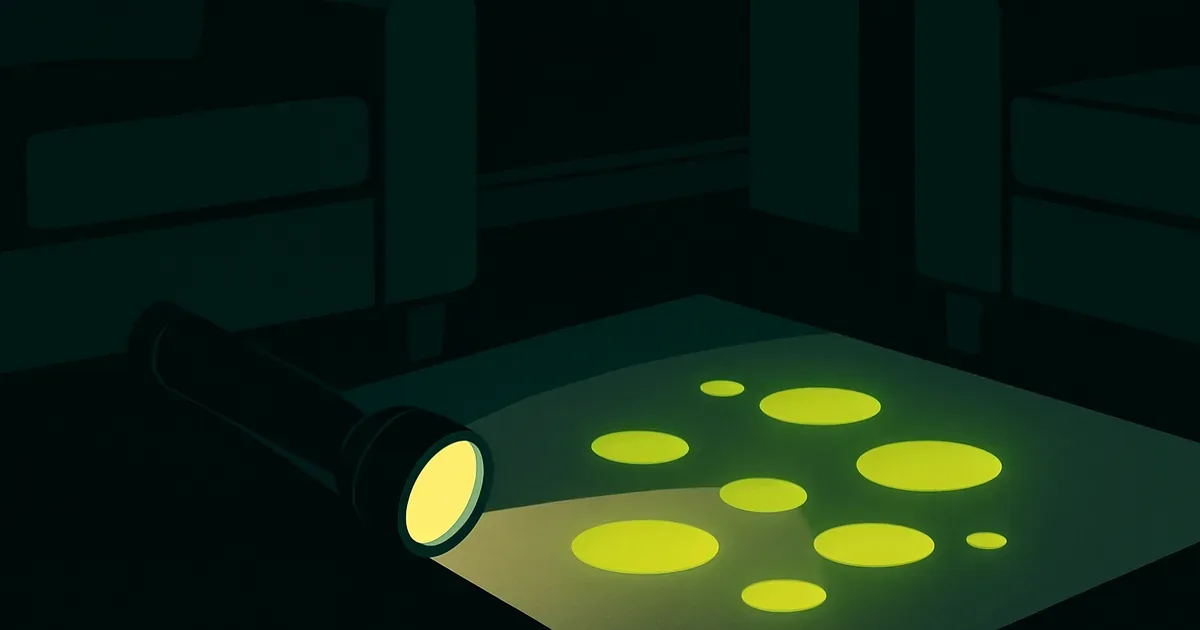
1. Find all the spots. Turn off the lights and scan the carpet with a UV blacklight. Dog urine glows yellow-green under UV light. Mark each spot with painter’s tape so you can find them again with the lights on.
2. Blot fresh stains first. If the stain is still wet, blot up as much urine as possible with paper towels. Stand on the towels to press into the carpet fibers. Don’t rub. Rubbing pushes urine deeper and spreads it wider.
3. Saturate with enzyme cleaner. Pour (don’t spray) enzyme cleaner onto the stain. You need enough liquid to reach as deep as the urine went. For a medium-size dog, that’s usually 2-3 times the visible stain area. A light mist from a spray bottle won’t cut it.
4. Cover and wait. Lay plastic wrap over the treated area and weigh it down with books or a heavy object. Enzymes only work while wet. Leave it for 12-24 hours. This is the step most people skip or rush, and it’s why their treatment fails.
5. Blot and dry. Remove the plastic, blot up excess moisture with clean towels, and let the carpet air dry completely. Use a fan to speed things up.
6. Check and repeat. Once dry, smell the area. If odor remains, the urine went deeper than your first treatment reached. Repeat with more enzyme cleaner and a longer soak time.
For a detailed walkthrough of the enzyme treatment process on different carpet types, see our guide on how to use enzyme cleaner on carpet. The Carpet and Rug Institute also recommends treating stains promptly to prevent permanent damage.
💡 Keep Enzymes Active
Enzyme cleaners only work while wet. If the solution dries out before the contact time is up, the enzymes stop working. Plastic wrap keeps the moisture in. In dry climates, check every few hours and add a light mist of water if needed.
6-Step Enzyme Treatment for Dog Urine in Carpet
Blot up fresh urine
Press paper towels or a clean cloth firmly into the carpet. Stand on it to absorb urine from the pad. Replace towels until no more moisture transfers.
Saturate with enzyme cleaner
Apply enough to soak through the carpet into the pad. Use 2-3x more than the visible stain area. Dog urine spreads below the surface.
Cover the area
Place a damp towel or plastic wrap over the treated spot. This keeps the enzymes moist and active longer.
Wait 8-24 hours
Enzymes need time to break down uric acid crystals. Fresh stains need 8 hours minimum. Old stains need a full 24 hours.
Blot dry
Remove the cover and blot up excess moisture. Let the area air dry completely. Use a fan to speed it up.
Check and repeat if needed
Once fully dry, smell-test the area. If odor remains, do a second application. Heavily soaked spots often need two rounds.
The Carpet Pad Problem (And How to Fix It)
This is where most advice online falls short. Every competitor article focuses on surface treatment. But if the urine reached the pad, surface cleaning is a waste of time.
How to Tell if Urine Reached the Pad
Look for these signs:
- The stain is larger than a dinner plate
- You’ve cleaned the surface before but the smell came back
- The carpet feels spongy or thicker in that spot
- Your dog has had multiple accidents in the same location
⚠️ Repeated Accidents Mean Pad Contamination
Repeated accidents in one spot almost always mean pad-level contamination. Dogs return to the same place because they can still smell their own urine in the pad, even after you’ve cleaned the surface. Surface cleaning won’t fix it.
The Injection Method for Pad-Level Stains
If you can access the carpet edge, pull back the corner nearest to the stain. Pour enzyme cleaner directly onto the pad. This gets the product exactly where the urine is.
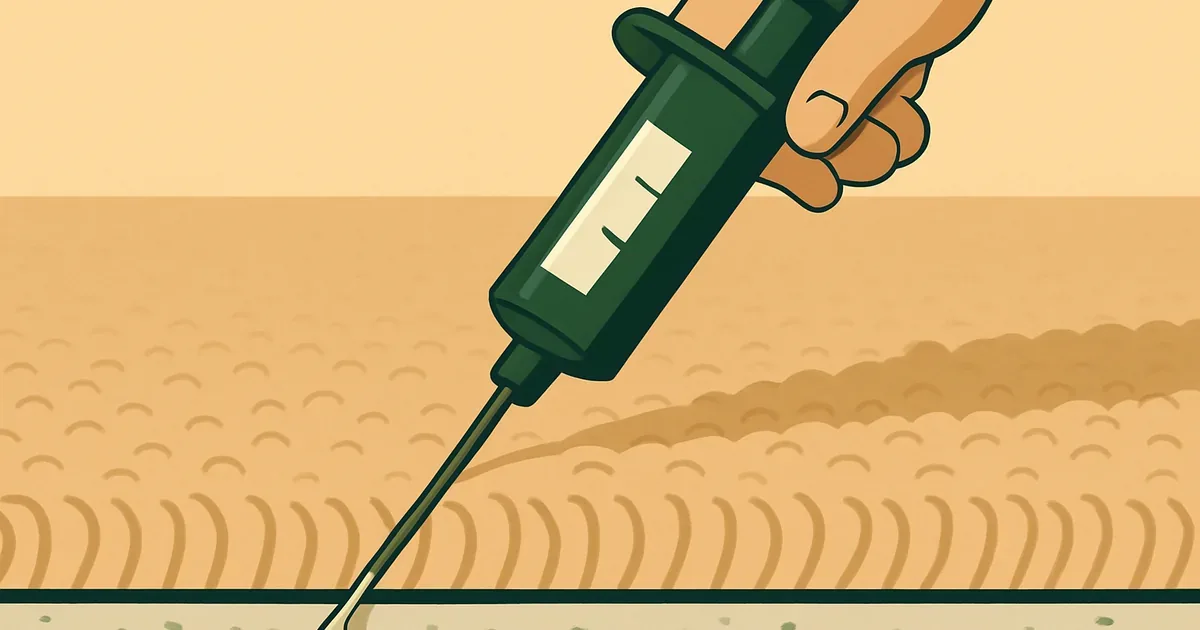
If you can’t pull back the carpet, use a carpet syringe or turkey baster to inject enzyme cleaner through the carpet into the pad. Push the tip down through the carpet fibers and squeeze the cleaner into the padding below.
Saturate the pad area with enzyme cleaner and cover it with plastic sheeting for 24-48 hours. The longer soak time is necessary because the pad holds more urine than the carpet fibers above it.
This method takes more time and more product, but it gets cleaner where the urine actually is. That’s the only way to fix pad-level contamination without replacing the pad entirely.
Subfloor Protocol for Severe Cases
When urine has soaked all the way through the pad into the subfloor (wood or concrete), you’re dealing with the toughest scenario. This usually happens in homes where an elderly or incontinent dog has had repeated accidents in the same area over months.
Signs you have a subfloor problem:
- Dark staining visible on the pad underside when you pull it back
- Warped or discolored subfloor material
- Smell persists after two full pad-level enzyme treatments
For Wood Subfloor
Seal the affected wood with enzyme cleaner and let it dry completely. Then apply a shellac-based primer (like Zinsser B-I-N) to lock in any remaining odor. The primer creates a barrier that prevents residual uric acid from off-gassing. Replace the carpet pad in that area before re-laying the carpet.
For Concrete Subfloor
Pour enzyme cleaner directly on the concrete and cover with plastic sheeting for 48-72 hours. Concrete is porous, so the urine soaks deep into the material. You need extended contact time for the enzymes to penetrate and break down all the uric acid crystals. For more on this, read our full guide on removing urine stains with enzyme cleaners.
In both cases, replace the carpet pad in the affected area. Pads are inexpensive, and reusing a urine-soaked pad defeats the entire purpose of treatment.
💡 Pad Replacement Is Cheap
New carpet pad costs $3-5 per square foot installed (at time of writing). That’s far cheaper than replacing the whole carpet. A 4x4 foot section runs about $50-80 installed. Most carpet installers will do small pad replacements as a quick job.
When to Call a Professional
DIY enzyme treatment works for most single-stain situations. But some jobs genuinely need professional equipment and expertise. Call a pro if:
- You have more than 3 large stain areas in the same room
- Smell persists after two full enzyme treatments with pad saturation
- You see visible subfloor damage (warping, dark staining, mold)
- An elderly or incontinent dog has had months of repeated accidents
Professional carpet cleaners have extraction equipment that pulls moisture (and dissolved urine) from deep in the pad. This is something a fan and paper towels can’t match. Look for a technician certified by the IICRC, the industry standard for carpet cleaning professionals.
Expect to pay $150-300 for professional enzyme treatment of a single room (at time of writing). Ask specifically if they use enzyme or bio-enzymatic products and if they treat the pad, not just the carpet surface. Standard steam cleaning alone won’t fix a urine problem.
Preventing Future Dog Pee Smell in Carpet
Once you’ve fixed the existing problem, keep it from happening again:
- Address the root cause. Talk to your vet about urinary issues. Frequent accidents can signal a UTI, kidney problem, or other medical condition. Behavioral training and more frequent outdoor breaks also help. If you have a new puppy, our puppy cleanup guide covers the full house-training period.
- Use waterproof pads. Place them under crates and in favorite lounging spots.
- Treat accidents within 30 minutes. Fresh stains are far easier to clean than old ones. The longer urine sits, the deeper it soaks.
- Keep enzyme cleaner stocked. Don’t wait until you need it to buy it. Having a bottle ready means faster treatment and better results.
- Consider waterproof carpet pad. If you’re replacing carpet in a pet household, install moisture-barrier carpet padding. It costs slightly more but prevents urine from reaching the subfloor.
For more tips on handling pet messes on carpet, check our guides on best enzyme carpet cleaners, removing pet stains from carpet, and enzyme cleaners for pet odors.
Frequently Asked Questions
Does vinegar remove dog pee smell from carpet?
How long does it take enzyme cleaner to remove dog urine smell?
Can I use a carpet cleaner machine with enzyme cleaner?
Why does my carpet still smell like dog pee after cleaning?
How much enzyme cleaner do I need for dog urine in carpet?
Will professional carpet cleaning remove dog urine smell?
Related Articles
Cleaning Product Researcher
Sarah Chen is a pen name for our lead product researcher. A lifelong dog person who now shares her home with two cats, she's no stranger to enzyme cleaners. She writes the guides and reviews on this site based on product research, ingredient analysis, and real user feedback.