How to Use Enzyme Cleaner on Carpet: Step-by-Step
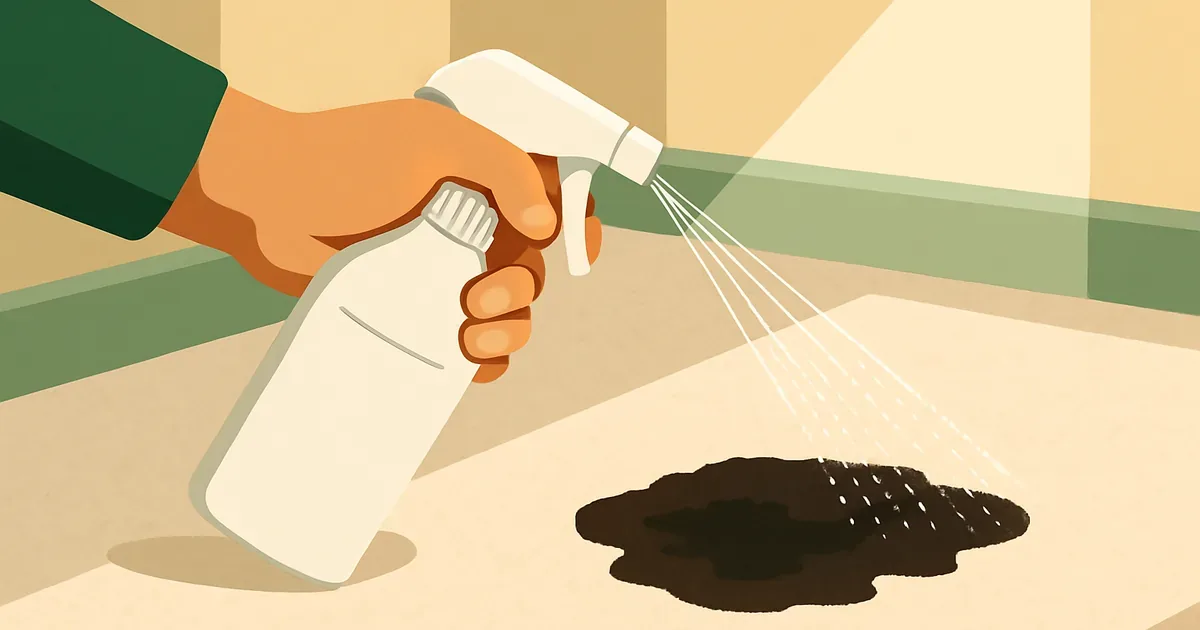
Table of Contents
To use enzyme cleaner on carpet, you need three things: enough product to saturate the stain, the right contact time (usually 15-60 minutes for fresh stains, 8-24 hours for old ones), and patience to let it air dry. Most people fail because they spray, blot, and walk away too fast. Enzymes need time to break down the proteins in the stain.
This guide walks you through the step-by-step for hand application, how to use enzyme cleaner in a carpet machine, how much contact time different stains need, and how to document your results for landlords or insurance. If you’re still choosing a product, check our list of the best enzyme carpet cleaners first.
What you’ll need
Before you start, gather these supplies:
- Enzyme cleaner (spray bottle or concentrate)
- Clean white cloths or paper towels (white so dye doesn’t transfer)
- Plastic wrap or a damp towel (to keep the treated area moist)
- Spray bottle (if using a concentrate that needs diluting)
- Fan or access to a window (for drying)
- UV blacklight flashlight (optional, for finding hidden stains)
- Carpet cleaning machine (optional, for large areas)
For general carpet care tips, the Carpet and Rug Institute (CRI) has good guidance on cleaning methods and maintaining carpet warranties.
💡 Find Hidden Stains with a Blacklight
Use a blacklight to find old pet stains you can’t see. Urine and other organic stains glow under UV light. Darken the room, scan the carpet slowly, and mark stains with painter’s tape so you know where to treat. A basic UV flashlight costs about $10-15 at most hardware stores.
Step-by-step: hand application method
This method works for any carpet stain. It’s the approach we recommend for most people because it gives you full control over contact time and product amount.
-
Blot fresh stains first. Press a clean cloth into the stain to absorb as much liquid as possible. Don’t rub. Rubbing pushes the stain deeper into carpet fibers and backing. Keep blotting with fresh sections of cloth until no more moisture transfers.
-
Apply enzyme cleaner generously. Spray or pour enough to saturate the stain area. The cleaner needs to reach the carpet pad, not just the surface fibers. For old stains, pour rather than spray. You want the product to soak down to the same depth the stain reached.
-
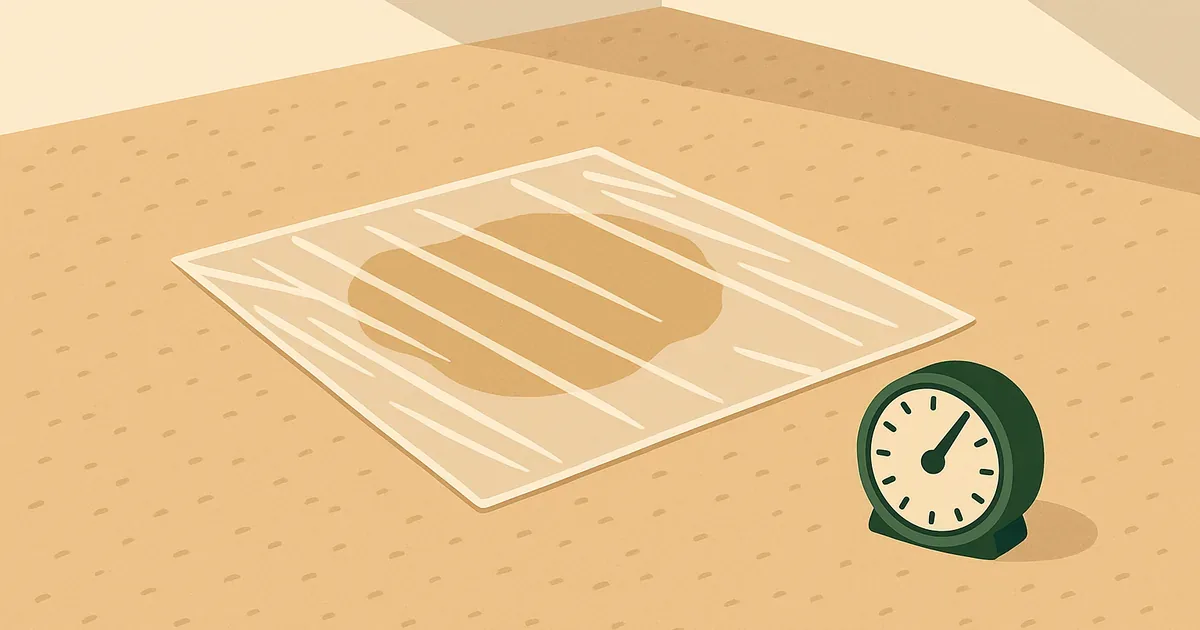
Cover the treated area. Lay plastic wrap or a damp towel over the spot. This keeps the enzymes wet and active. Enzymes stop working once they dry out. Weigh down the edges with a book or heavy object.
-
Wait the full contact time. Fresh stains: 15-60 minutes. Set-in stains: 8-24 hours. Old pet urine: 24 hours minimum. Don’t rush this step. It’s the single most common reason enzyme cleaners “don’t work.”
-
Blot up the excess. Remove the cover. Press clean cloths into the area to absorb moisture. Don’t scrub.
-
Let it air dry completely. Point a fan at the area or open windows. The carpet should be fully dry before you walk on it or put furniture back.
-
Inspect and repeat if needed. Some stains need a second application, especially old urine that soaked into the carpet pad. Let the area dry fully before deciding if retreatment is necessary.
For a deeper look at urine-specific techniques, see our guide on removing urine stains with enzyme cleaners.
Contact time: the step most people skip
Contact time is the number one factor in whether enzyme cleaner works on your carpet. Every competitor guide says “spray and blot.” We say “spray, cover, wait, then blot.” That waiting step determines your results.
Here’s why: enzymes are proteins that catalyze chemical reactions. They need time to find and break down every molecule of the stain. Cut the time short and you get partial results. The stain looks lighter, but the smell comes back on humid days because uric acid crystals remain in the carpet pad. For more on how enzymes work, see our guide on what an enzyme cleaner is.
Recommended contact times by stain type
| Stain Type | Fresh (under 24 hours) | Set-In (1-7 days) | Old (7+ days) |
|---|---|---|---|
| Pet urine | 30-60 minutes | 8-12 hours | 24 hours |
| Food and drink | 15-30 minutes | 2-4 hours | 8-12 hours |
| Vomit | 30-60 minutes | 4-8 hours | 12-24 hours |
| Blood | 15-30 minutes | 2-4 hours | 8-12 hours |
These times are guidelines based on our research. Your specific product may recommend different times on the label. When in doubt, go longer rather than shorter. For a deeper breakdown, see our article on how long enzyme cleaners take to work. If you’re dealing with older stains, our enzyme cleaner for set-in stains guide has specific tips.
⚠️ Dry Enzymes Are Inactive Enzymes
If the area dries before the contact time is up, the enzymes stop working. Re-wet with more cleaner and cover again. The plastic wrap step isn’t optional for stains that need hours of contact time. Without it, the cleaner evaporates long before the enzymes finish.
Enzyme Cleaner Contact Times by Stain Type
| Stain Type | Fresh (under 24h) | Set-In (days-weeks) | Old (months+) |
|---|---|---|---|
| Pet urine | 15-30 minutes | 8-12 hours | 24+ hours |
| Pet feces | 15-30 minutes | 2-4 hours | 8-12 hours |
| Food and drink | 15-30 minutes | 2-4 hours | 8-12 hours |
| Vomit | 30-60 minutes | 4-8 hours | 12-24 hours |
| Blood | 15-30 minutes | 2-4 hours | 8-12 hours |
Using enzyme cleaner in a carpet machine
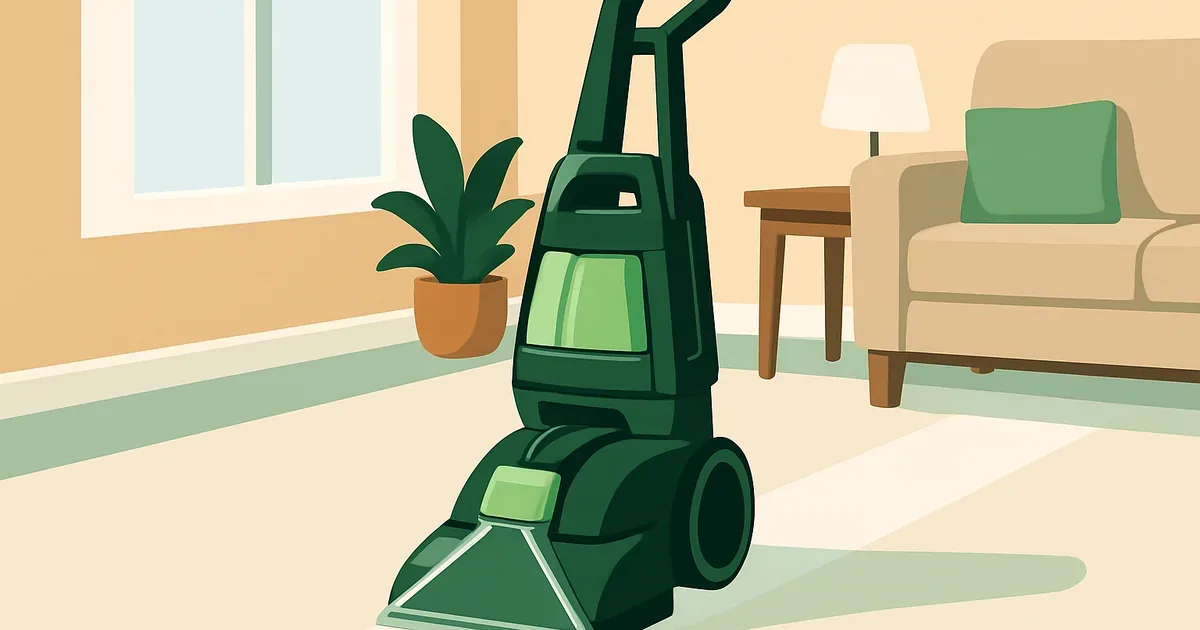
If you own a carpet cleaning machine or you’re renting one for a bigger job, enzyme cleaners work in most machines. But there are a few rules to follow.
Which machines work
You can use enzyme cleaner in:
- Upright carpet cleaners (Bissell, Hoover, Rug Doctor rentals)
- Portable spot cleaners (Bissell Little Green and similar models)
Do not use enzyme cleaner in a steam cleaner. The heat from steam cleaners reaches temperatures well above 140F, which denatures (destroys) the enzymes and makes the product useless. The IICRC (Institute of Inspection, Cleaning and Restoration Certification) recommends cool-water extraction for enzyme-based treatments.
Machine application steps
The machine is for rinsing and extraction. It’s not a substitute for the initial hand treatment.
-
Pre-treat the stain by hand first. Apply enzyme cleaner directly to the stain, cover with plastic wrap, and wait for the full contact time. This is where the actual cleaning happens.
-
Fill the machine with cool or lukewarm water. Hot water denatures enzymes. Keep water temperature below 120F (49C).
-
Add enzyme cleaner to the solution tank following the product’s dilution ratio. If your product doesn’t list a machine dilution ratio, use about 2-3 ounces per gallon of water.
-
Make slow passes over the treated area. Let the machine extract as much moisture as possible. Slow passes pull more liquid from the carpet pad than fast ones.
-
Make a final pass with plain water to rinse out any remaining cleaner residue. This step keeps your carpet from feeling sticky or attracting dirt.
⚠️ No Hot Water in Carpet Machines
Never use hot water with enzyme cleaners. Heat above 140F destroys the enzymes permanently. Stick to cool or lukewarm water in your carpet machine. If you’re renting a Rug Doctor or similar unit, skip the “hot water” setting.
For the best results with a carpet machine, check our deep cleaning carpet with enzyme cleaner guide.
Documenting results (for renters and insurance)
If you’re renting and worried about your security deposit, or if you’re filing an insurance claim for carpet damage, documenting your cleaning efforts matters. Landlords and insurance adjusters want proof that cleaning was attempted before carpet replacement.
Here’s the protocol we recommend:
-
Photograph the stain in natural light before treatment. Include a ruler or coin for scale so the size of the stain is clear.
-
Write down the date, product used, and application method. A simple note on your phone works. Include the product name, how much you used, and how long you let it sit.
-
Photograph the area after treatment from the same angle and lighting. This makes the comparison obvious.
-
Keep receipts for the enzyme cleaner and any equipment rental. These prove you spent money on professional-grade cleaning.
-
If the stain persists after two treatments, photograph the result and document your efforts. This shows due diligence even if the stain didn’t fully come out.
Timestamps on phone photos serve as proof of when cleaning happened. This matters if there’s a dispute about whether you addressed the stain promptly or let it sit for months.
Common mistakes that waste your product
These are the errors we see come up again and again. Avoiding them saves you product, time, and frustration.
-
Not using enough product. Surface spraying won’t reach stains in the carpet pad. Saturate the area so the cleaner soaks down to the same depth as the stain.
-
Rubbing instead of blotting. Rubbing spreads the stain outward and damages carpet fibers. Press straight down with a clean cloth. Lift. Repeat.
-
Using hot water. Heat destroys enzymes permanently. Always use cool or lukewarm water when rinsing or diluting.
-
Mixing with other cleaners. Bleach, vinegar, and hydrogen peroxide can all deactivate enzymes. Use enzyme cleaner alone, never in combination with other products. If you want a product vetted for safer ingredients, check the EPA Safer Choice list.
-
Not covering the area. Uncovered cleaner dries out before enzymes finish working. Plastic wrap takes 10 seconds to apply and makes a huge difference.
-
Vacuuming while still damp. Let the carpet dry fully before vacuuming. Running a vacuum over damp carpet can damage the vacuum motor and spread moisture deeper into the pad.
If you need help choosing the right product for carpet, see our best enzyme carpet cleaners list. For pet stains specifically, our best pet stain removers for carpet guide covers products rated for that job.
ℹ️ Always Spot-Test First
Before treating a large area, test your enzyme cleaner on a hidden section of carpet (inside a closet or behind furniture). Wait 10 minutes and check for any discoloration. Enzyme cleaners are considered safe for most carpet types, but a quick test gives you confidence before treating a visible area.
Wrapping up
The technique matters as much as the product. Use enough enzyme cleaner to match the depth of the stain, cover the area to keep it moist, and give the enzymes the full contact time they need. For fresh stains, you’re looking at under an hour. For old, set-in stains, plan on overnight.
If your first attempt didn’t work, check the common mistakes list above. Almost every failed cleaning comes down to not enough product, not enough time, or mixing with the wrong cleaner. Fix those issues and try again.
For product recommendations, browse our list of best enzyme carpet cleaners. And if you’re dealing with urine stains specifically, our removing urine stains with enzyme cleaners guide covers the process in detail. For hardwood instead of carpet, see our enzyme cleaner for hardwood floors guide.
Frequently Asked Questions
How long should enzyme cleaner sit on carpet?
Can I use enzyme cleaner in a Bissell carpet cleaner?
Will enzyme cleaner bleach or discolor my carpet?
Why didn't the enzyme cleaner work on my carpet stain?
Can I use enzyme cleaner on wool carpet?
How many times can I apply enzyme cleaner to the same spot?
Related Articles
Cleaning Product Researcher
Sarah Chen is a pen name for our lead product researcher. A lifelong dog person who now shares her home with two cats, she's no stranger to enzyme cleaners. She writes the guides and reviews on this site based on product research, ingredient analysis, and real user feedback.