How to Remove Pet Stains From Rugs With Enzymes
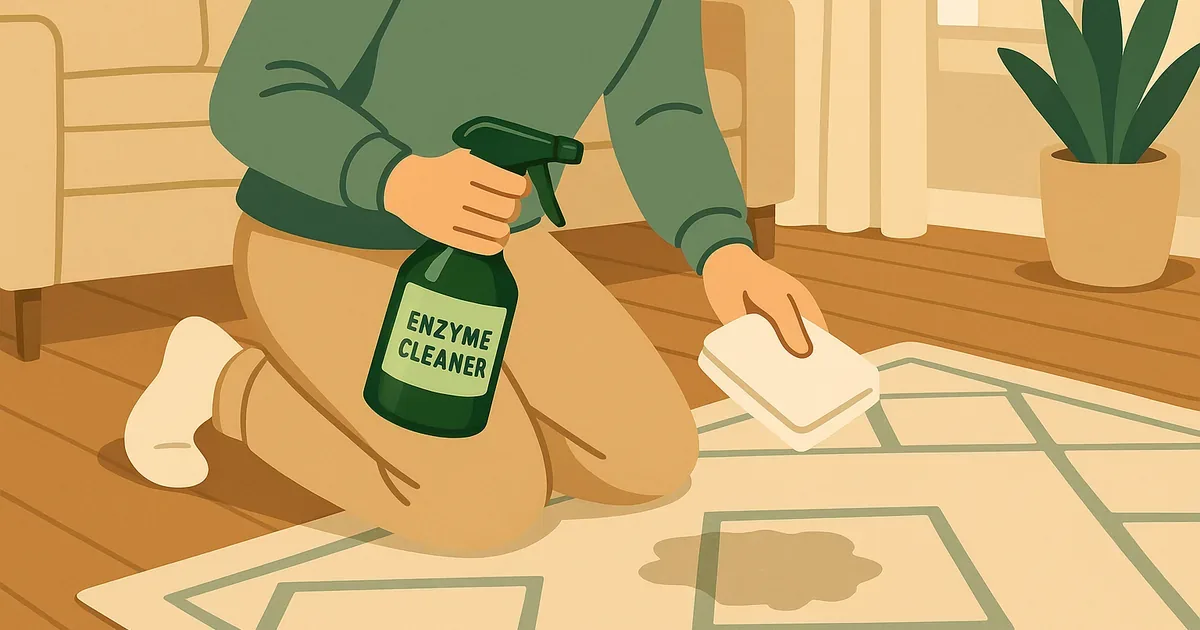
Table of Contents
Enzyme cleaners work well on most rug types, but the approach depends on the rug material. Synthetic rugs can handle full-strength enzyme cleaner and even outdoor soaking. Wool and silk rugs need a gentler touch. The big advantage with area rugs is that you can flip them over, treat from behind, and even take them outside for deep cleaning.
Affiliate Disclosure: This page contains affiliate links. When you purchase through our links, we may earn a commission at no additional cost to you. Full disclosure.
Below, we cover rug-type guidance, step-by-step enzyme treatment, the outdoor soak method for severe stains, and which products work best on rugs. For a primer on enzymatic cleaning, see our guide on how enzyme cleaners work.
Why Rugs Are Different From Wall-to-Wall Carpet
If you’ve been treating your area rug like wall-to-wall carpet, you’re missing some advantages. Rugs give you options that installed carpet doesn’t.
The biggest advantage of an area rug over wall-to-wall carpet is access. You can attack a stain from both sides and use gravity to pull the enzyme cleaner through the fibers. That’s not possible with carpet glued or stretched over padding.
Key advantages of rugs for stain treatment:
- You can flip them. Urine pools at the base of rug fibers. Treating from the back side reaches the stain where it’s concentrated.
- You can take them outside. Sun-drying helps with odor, and outdoor soaking handles severe stains.
- You can submerge them. A kiddie pool or large tub works for complete enzyme soaking.
- The pad is separate. If the rug pad is saturated, just replace it. No ripping up tack strips.
For wall-to-wall carpet techniques (which are different), check our guide on how to use enzyme cleaner on carpet.
Rug Material Guide
The enzyme cleaning approach changes based on what your rug is made of. Getting this wrong can damage the rug.
Synthetic Rugs (Polypropylene, Nylon, Polyester)
Synthetic rugs are the most forgiving material for enzyme cleaning. The fibers are man-made and don’t react with protease enzymes the way natural fibers can.
What works on synthetic rugs:
- Full-strength enzyme cleaner application
- Soaking and outdoor treatment
- Machine washing (for small rugs with machine-washable tags)
- Extended enzyme dwell times (12-24 hours or longer)
If your rug tag says polypropylene, nylon, or polyester, you can be aggressive with enzyme treatment without worrying about fiber damage.
Wool Rugs
Wool requires caution. Here’s the issue: wool is a protein-based fiber. Some enzyme cleaners contain protease enzymes that break down proteins. The enzymes can’t tell the difference between urine protein and wool protein if left on too long.
⚠️ Warning
Wool is a protein-based fiber. Protease enzymes break down proteins. Don’t leave enzyme cleaner on wool for more than 30 minutes without checking. Test a hidden corner first. Use a diluted solution (1 part cleaner to 4 parts water).
Best practices for wool rugs:
- Dilute enzyme cleaner at a 1:4 ratio with water
- Test on a hidden corner first and wait 30 minutes
- Blot, don’t scrub (wool fibers are delicate when wet)
- Don’t leave the solution on for more than 30 minutes without checking
- Air dry flat, never use heat
- Consider professional cleaning for valuable wool rugs
Oriental and Silk Rugs
High-value rugs need professional treatment. Oriental rugs often use natural dyes that can bleed when wet. Silk fibers are extremely fragile when exposed to moisture. The risk of damage from home treatment is too high for rugs worth hundreds or thousands of dollars.
⚠️ Warning
Antique or valuable oriental rugs should go to a professional rug cleaner experienced with enzyme treatments. Home treatment risks color bleeding and fiber damage that can permanently reduce the rug’s value.
If you must treat an oriental rug at home:
- Test an inconspicuous area first
- Use the most diluted application possible (1:6 ratio or weaker)
- Blot only, never scrub or saturate
- Watch for color bleeding and stop immediately if you see it
- Air dry flat, away from direct sunlight (which can fade natural dyes)
Step-by-Step: Enzyme Cleaning a Rug
This process works for most synthetic and durable wool rugs. For delicate or high-value rugs, consult a professional.
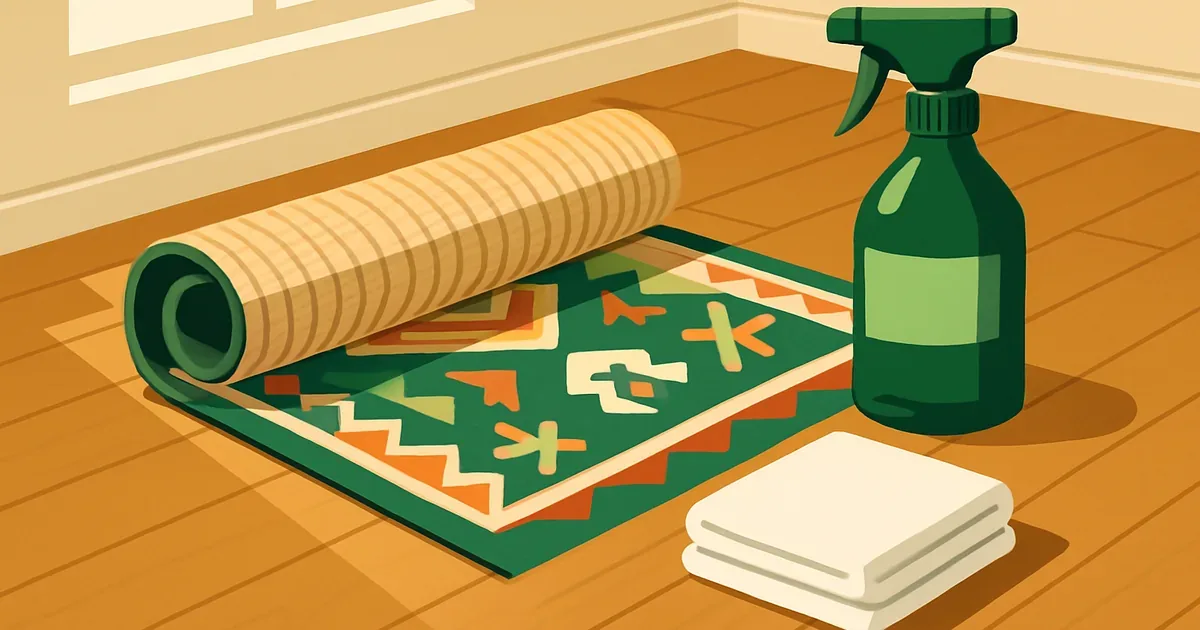
- Blot up as much urine as possible. Press clean towels into the stain with your body weight. Stand on the towels to extract maximum moisture.
- Flip the rug and blot from the back side. Urine settles at the base of the fibers. Blotting from behind reaches the concentrated area.
- Apply enzyme cleaner to both sides of the stain. Spray or pour onto the front and back. Use full strength for synthetic rugs, diluted (1:4) for wool.
- Cover with plastic wrap to keep the area moist. Enzymes stop working when they dry out. Let it sit 8-24 hours.
- Blot up excess cleaner, then air dry. Outside in the sun is ideal for synthetic rugs. Dry wool rugs flat, out of direct sunlight.
- Check with a UV black light after drying. If the spot still fluoresces, repeat the treatment. One round isn’t always enough for old stains.
For a detailed walkthrough of urine stain treatment, see our guide on how to remove urine stains with enzyme cleaner.
The Outdoor Soaking Method (For Severe Stains)
This is the most thorough approach for synthetic rugs with large or repeated urine stains. It’s not practical for every situation, but when you can do it, it works.
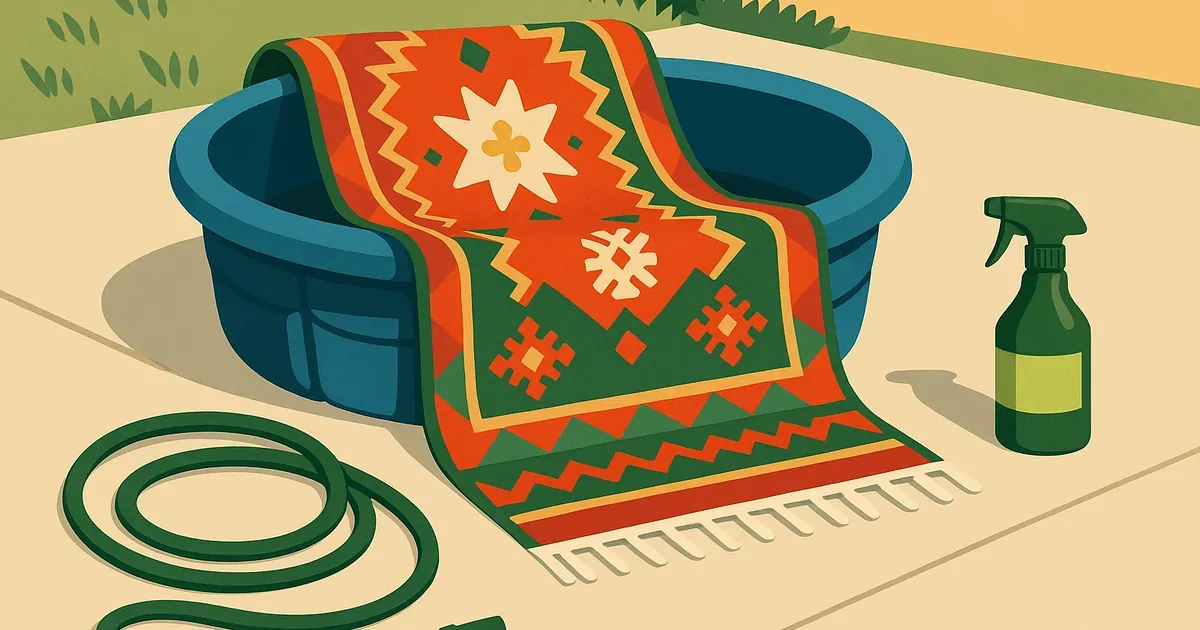
- Take the rug outside on a clean tarp or driveway.
- Hose down the stained area with cold water to flush out loose urine.
- Apply enzyme cleaner generously to the stain and the surrounding area. Use full strength.
- Roll the rug loosely and place it in a large plastic tub, kiddie pool, or heavy-duty garbage bag.
- Let it soak 12-24 hours. The enzymes work as long as they stay moist.
- Unroll, rinse thoroughly with a hose, and hang or lay flat to dry in the sun.
💡 Tip
Sunlight helps with both drying and odor. UV rays break down residual odor compounds that enzymes may have loosened but not fully removed. If you can dry your rug in direct sunlight, you’ll get better odor results than indoor drying.
This method is only suitable for synthetic rugs. Don’t soak wool or silk rugs outdoors. The extended moisture and sun exposure can damage natural fibers and dyes. For deep cleaning carpet (as opposed to rugs), see our guide on deep cleaning carpet with enzyme cleaner.
Rug Material Enzyme Cleaner Guide
| Material | Enzyme Safe? | Notes |
|---|---|---|
| Synthetic (nylon, polyester) | Yes | No special precautions |
| Wool | Test first | Protease can damage wool fibers with repeated use |
| Silk | No | Protease breaks down silk protein; professional cleaning only |
| Cotton | Yes | No special precautions |
| Jute/sisal | Caution | Absorbs moisture, can stain; minimal application |
Best Enzyme Cleaners for Rugs
Not every enzyme cleaner works equally well on rug fibers. Here are our picks:
- Best overall for rugs: Rocco & Roxie Professional Strength, ~$19.97 (32 oz). Strong enzyme formula that handles urine on both synthetic and wool rugs (diluted for wool).
- Best for wool rugs: Biokleen Bac-Out, ~$13.49 (32 oz). Gentler plant-based formula with no harsh chemicals. Still effective, less risk to protein fibers.
- Best value: Nature’s Miracle Advanced, ~$12.99 (32 oz). Good enzyme concentration at a mid-range price. Works well on synthetic rugs.
- Budget pick: Kids ‘N Pets Stain & Odor Remover, ~$8.49 (32 oz). Affordable and gentle enough for most rug types.
Prices reflect listings at time of writing and may change.
For a broader look at carpet and rug products, check our roundup of the best enzyme carpet cleaners. And for more on handling pet stains across all surfaces, see the best pet stain and odor removers.
When to Call a Professional
Some rugs need professional treatment. Here’s when to skip the DIY approach:
- Antique or oriental rugs worth more than a few hundred dollars
- Silk rugs or silk-blend rugs of any type
- Rugs with natural dyes that may bleed when wet
- Large stains covering more than 25% of the rug’s surface
- Urine damage that has caused permanent color change (yellow or brown discoloration)
Professional rug cleaners have the equipment and experience to treat valuable rugs without damage. Ask whether they use enzymatic products before booking. Some professionals use hot water extraction alone, which won’t break down uric acid crystals. The Carpet and Rug Institute (CRI) maintains a directory of certified cleaners. The IICRC also certifies technicians trained in textile care.
ℹ️ Note
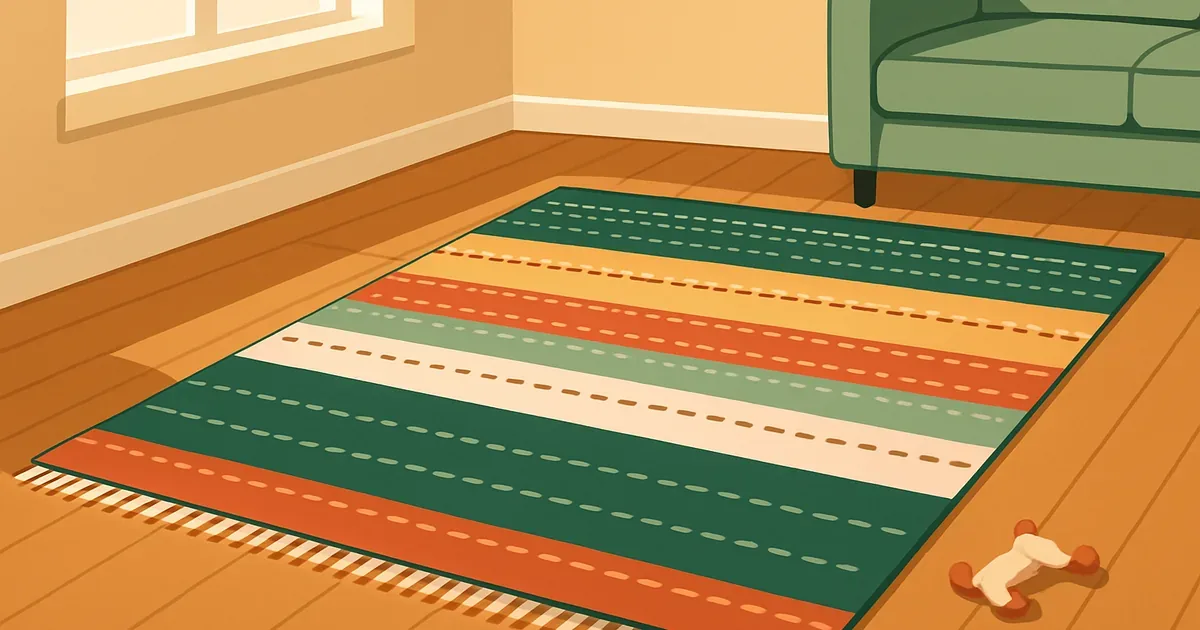
Rug pads are cheap insurance. If urine soaked through your rug pad, don’t try to clean it. Replace it. A new rug pad costs a fraction of the rug, and a fresh pad eliminates a hidden odor source that enzyme cleaners can’t always reach.
For more on why pets return to the same spot, the AKC’s guide to how dogs use smell explains the science behind scent marking. And if your cat is avoiding the litter box and using rugs instead, the ASPCA’s guide to litter box problems covers common causes.
For more pet odor solutions, check the best enzyme cleaners for pet odors.
Frequently Asked Questions
Can you use enzyme cleaner on a wool rug?
How do you get old pet urine out of an area rug?
Will enzyme cleaner bleach or discolor my rug?
Can you machine wash a rug with enzyme cleaner?
How do you dry a rug after enzyme treatment?
Should I replace the rug pad after a pet accident?
Related Articles
Cleaning Product Researcher
Sarah Chen is a pen name for our lead product researcher. A lifelong dog person who now shares her home with two cats, she's no stranger to enzyme cleaners. She writes the guides and reviews on this site based on product research, ingredient analysis, and real user feedback.