How to Remove Pet Urine from Concrete with Enzymes
Table of Contents
Concrete is the hardest surface to remove pet urine from. It’s porous, so urine soaks deep into the material where standard cleaning can’t reach. For unsealed concrete, the pour-on-and-cover method with enzyme cleaner is the most effective approach. For sealed concrete, you need to strip the sealant first.
This guide covers why concrete is so difficult, the sealed vs unsealed distinction (which changes your entire treatment approach), the step-by-step pour-on-and-cover method, and specific tips for garages, basements, and patios.
Affiliate Disclosure: This page contains affiliate links. When you purchase through our links, we may earn a commission at no additional cost to you. Full disclosure.
Why Pet Urine in Concrete Is So Hard to Remove
At the microscopic level, concrete is porous like a sponge. Those tiny pores absorb liquids, and pet urine is no exception. A single accident can soak an inch or more into the concrete surface.
As the urine dries inside those pores, it forms uric acid crystals. These crystals are the source of the lingering smell. They sit dormant inside the concrete until humidity rises or the temperature changes. Then they reactivate and release odor all over again. This is why a garage floor can smell fine for weeks and then suddenly reek on a warm, damp day.
Surface cleaning only touches the top layer. Mopping with bleach, vinegar, or standard cleaners won’t reach the crystals trapped inside. Enzyme cleaner is one of the few products designed to break down uric acid crystals at the molecular level. But even enzyme cleaner needs enough volume and contact time to soak deep enough to reach them.
Learn more about the science at how enzyme cleaners break down uric acid. For a deeper look at enzyme biochemistry, the NCBI overview of enzyme function explains how biological catalysts work.
ℹ️ The Smell Is Inside the Concrete
The odor is coming from inside the concrete, not from the surface. That’s why mopping with bleach or vinegar doesn’t fix it. You need a product that can soak into the pores and break down the uric acid crystals where they formed.
Sealed vs Unsealed Concrete: Why It Matters
Before you start treatment, you need to know whether your concrete is sealed or unsealed. This single detail changes your entire approach.
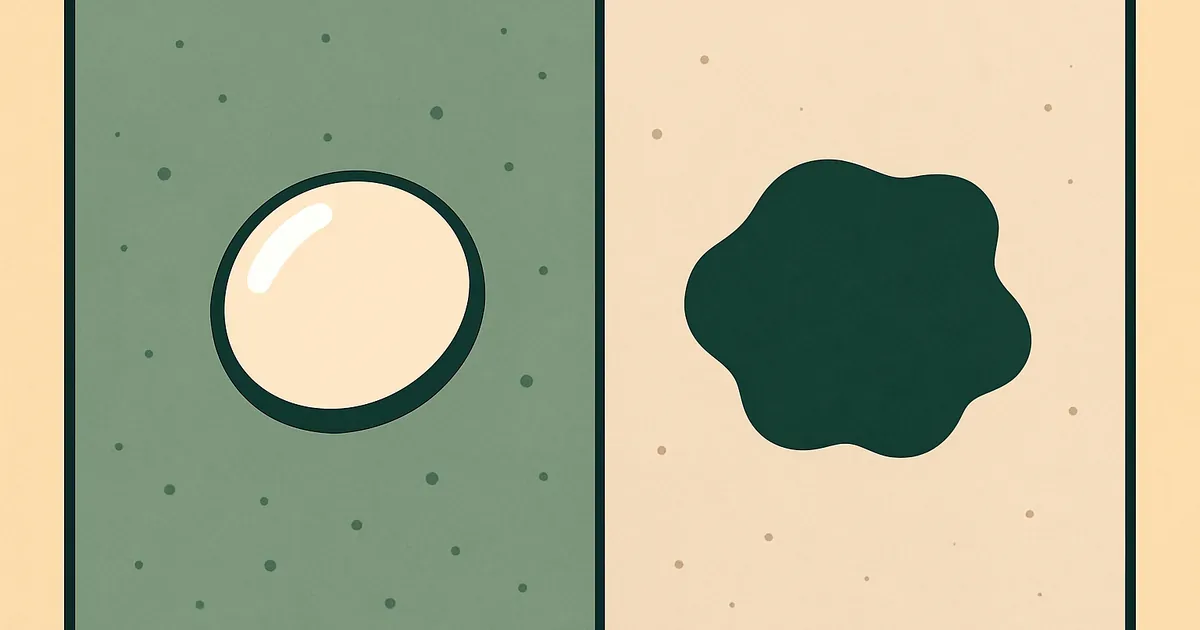
How to Tell if Your Concrete Is Sealed
Drop a few water drops on the surface and wait 30 seconds.
- If water beads up and sits on top: sealed
- If water soaks in and darkens the concrete: unsealed
Most garage floors are sealed or coated with epoxy, polyurethane, or paint. Most basement floors and outdoor patios are unsealed. If you’re not sure, the water drop test takes 30 seconds and gives you a clear answer.
The Sealer Problem
Sealed concrete creates a trap. The sealant sits on top of the concrete, and urine gets underneath it through cracks, joints, or damaged spots in the coating. Once underneath, it soaks into the concrete pores just like it would on an unsealed surface.
The problem is that enzyme cleaner can’t penetrate through sealant to reach the urine below. Pouring enzyme cleaner onto sealed concrete is a waste of product. It sits on top of the sealer and never reaches the uric acid crystals underneath.
You have to strip the sealer in the affected area first. After enzyme treatment, you can reseal.
⚠️ Don't Treat Over Sealant
Pouring enzyme cleaner onto sealed concrete is a waste of product. It will sit on top of the sealer and never reach the urine underneath. Strip the sealant first, then treat.
The Pour-on-and-Cover Method (for Unsealed Concrete)
This is the core technique. It’s simple, but it requires patience. Surface spraying does not work on concrete. You need full saturation and extended contact time.
1. Clean the surface. Sweep and mop the area to remove dirt, dust, and debris. The enzyme cleaner needs direct contact with the concrete, so a clean surface lets it soak in without obstruction.
2. Soak the area with enzyme cleaner. Pour enzyme cleaner generously over the stained area. You need enough to saturate the concrete, not just wet the surface. For a 2x2 foot area, expect to use 32-64 oz of product. That sounds like a lot, and it is. Concrete absorbs far more liquid than carpet or fabric.
3. Extend past the visible stain. Urine spreads wider below the surface than it does on top. Treat an area 6-12 inches beyond the visible stain in every direction. If you only treat the visible spot, you’ll miss the urine that spread outward inside the concrete.
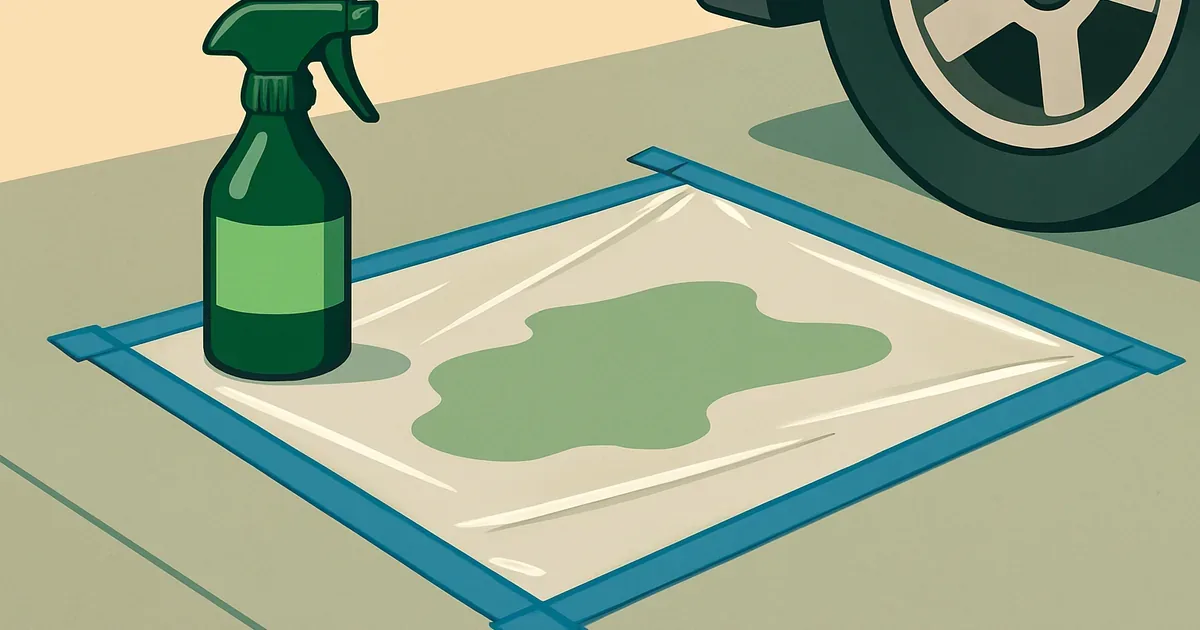
4. Cover with plastic sheeting. Tape plastic sheeting (a drop cloth or garbage bags) over the entire treated area. This keeps the enzyme cleaner from drying out. Enzymes stop working once they dry, so the plastic is critical.
5. Wait 24-72 hours. Concrete takes much longer than carpet or fabric. The enzyme cleaner needs time to soak deep enough to reach all the uric acid crystals. Don’t rush this step. More time is better.
6. Remove plastic and let dry. Pull up the plastic and let the area air dry completely. Use a fan to speed up drying if you’re working indoors.
7. Check and repeat if needed. Once dry, smell the area. If odor remains, do a second treatment with the same method. Severe cases from repeated accidents may need three rounds.
For product recommendations, see our picks for the best enzyme cleaners for dog urine.
Pour-On-and-Cover Method for Concrete
Flood the area
Pour enzyme cleaner generously. Use 2-3x more than you would on carpet.
Extend beyond the stain
Apply 6 inches past the visible stain. Urine spreads wider underground.
Cover with plastic
Tape plastic sheeting over the area to keep enzymes from drying out.
Wait 24-72 hours
Concrete takes much longer than carpet. Don't rush this step.
Remove and dry
Pull up plastic and let air dry completely. Use a fan if indoors.
Check and repeat
Smell the area once dry. Repeat if odor remains (severe cases may need 3 rounds).
How to Treat Sealed Concrete
Sealed concrete adds an extra step at the beginning and the end.
1. Strip the sealer. Use a chemical concrete stripper or a mechanical grinder on the affected area only. You don’t need to strip the entire floor. Follow the stripper product directions and allow proper ventilation. Always spot-test a small area first.
2. Apply the pour-on-and-cover method. Follow the same seven steps above for unsealed concrete. The stripped area is now exposed and porous, ready to absorb the enzyme cleaner.
3. Allow to dry completely. Concrete must be fully dry before resealing. Wait at least 48-72 hours after your final enzyme treatment. Trapping moisture under a fresh coat of sealer causes its own problems.
4. Reseal the concrete. Apply a new coat of concrete sealer over the treated area. Match the existing sealer type if possible for a consistent finish.
This is more work, but it’s the only reliable way to fix sealed concrete with urine underneath. If the urine has also affected nearby carpet, see our guide on enzyme cleaners for dog urine for product picks that work on multiple surfaces.
Tips by Location
Patios, Driveways, and Outdoor Concrete
Outdoor concrete adds two variables the garage does not have: weather and sunlight. Rain dilutes the product before it finishes working, and direct sun dries it out early, which stops the enzymes. Treat outdoor slabs in the evening or on an overcast day. Our guide to using enzyme cleaners outdoors covers patios, decks, and artificial turf in detail.
Garage Floors
Garages are the most common location for this problem. Dogs kept in the garage during the day, puppies in training, or elderly dogs with accidents create urine buildup over time. If you’re dealing with a new puppy, check our guide on enzyme cleaners for puppy accidents.
Most garage floors are sealed with epoxy or paint. Check for chips, cracks, or peeling in the coating. Urine gets under the finish at these damaged spots. Strip and treat those specific areas rather than the whole floor.
If you’re recoating your garage floor after treatment, consider an enzyme-friendly concrete sealer. Standard epoxy works fine as long as the enzyme treatment is fully dry before you apply it.
Basement Floors
Basements are usually easier to treat because most basement concrete is unsealed. You can go straight to the pour-on-and-cover method without stripping anything.
The challenge with basements is humidity. Trapped moisture reactivates uric acid crystals and makes the smell worse. Run a dehumidifier during and after treatment to keep humidity low and help the area dry properly.
Check along walls and in corners. Dogs tend to pick the same spots repeatedly, and basement corners are a common target. If you’re also dealing with carpet stains nearby, see our guide on enzyme carpet cleaners.
Patios and Outdoor Concrete
Outdoor concrete has a natural advantage: rain and sun exposure help break down surface-level urine over time. But deep stains under covered patios, porches, or overhangs don’t get that benefit and persist just like indoor stains.
For outdoor treatment, pour enzyme cleaner on the affected area, cover with weighted-down plastic sheeting, and let it work overnight. Hot weather actually speeds up enzyme activity, since enzymes work faster in warmth.
💡 Use the Heat
Treat outdoor concrete on a warm evening. The heat boosts enzyme activity, and the overnight soak gives it 10-12 hours of uninterrupted work time. Anchor the plastic sheeting with bricks or rocks so wind doesn’t pull it off.
How Much Enzyme Cleaner You’ll Need
Concrete requires significantly more product than carpet or fabric. Set your expectations and budget accordingly before you start.
| Area Size | Estimated Product Needed (per treatment) |
|---|---|
| Small spot (under 1 sq ft) | 16-32 oz |
| Medium area (2-4 sq ft) | 64-128 oz (0.5-1 gallon) |
| Large area (5-10 sq ft) | 1-2 gallons |
| Full room or garage bay | 3-5 gallons |
A few tips to manage cost:
- Buy concentrate and dilute per product directions. Concentrated enzyme cleaners cost less per ounce than ready-to-use sprays.
- Budget for 2-3 treatments on moderate to severe stains. One round rarely finishes the job on concrete.
- Buy in gallon or multi-gallon sizes. The per-ounce price drops significantly compared to spray bottles.
Prices for enzyme cleaners vary by brand and retailer at time of writing. Check current pricing before purchasing.
For choosing products with safer ingredients, the EPA Safer Choice program lists cleaners that meet environmental standards. The ASPCA Animal Poison Control Center is also a good resource if you have concerns about product safety around pets. For broader product picks, see our roundup of the best pet stain and odor removers.
For more on treating urine stains across different surfaces, read our guide on removing urine stains with enzyme cleaners. And for odor-specific product recommendations, check enzyme cleaners for pet odors.
⚠️ Spot-Test First
Before treating a large area, apply enzyme cleaner to a small, hidden section of concrete and let it dry. While enzyme cleaners are generally considered safe on concrete, some older or specialty finishes may react differently. This is especially important if you’re working on decorative or stamped concrete.
Frequently Asked Questions
Does enzyme cleaner work on concrete?
How do you get dog urine smell out of a concrete garage floor?
Will bleach remove urine smell from concrete?
How many times do I need to treat concrete with enzyme cleaner?
Can I paint over concrete that smells like urine?
Is there a concrete sealer that blocks pet urine odor?
Related Articles
Cleaning Product Researcher
Sarah Chen is a pen name for our lead product researcher. A lifelong dog person who now shares her home with two cats, she's no stranger to enzyme cleaners. She writes the guides and reviews on this site based on product research, ingredient analysis, and real user feedback.