Enzyme Drain Cleaner for Drain Flies (7-Day Fix)
Table of Contents
Enzyme drain cleaners are the most effective way to get rid of drain flies because they dissolve the biofilm inside your pipes where the flies breed and lay eggs. Chemical drain openers like Drano don’t remove biofilm. Boiling water and bleach only work temporarily. A 7-day enzyme treatment clears the breeding ground and stops the cycle.
This guide covers why drain flies keep coming back, how enzyme cleaners solve the root cause, a day-by-day treatment plan, and a monthly prevention routine.
Affiliate Disclosure: This page contains affiliate links. When you purchase through our links, we may earn a commission at no additional cost to you. Full disclosure.
Why you have drain flies (and why they keep coming back)
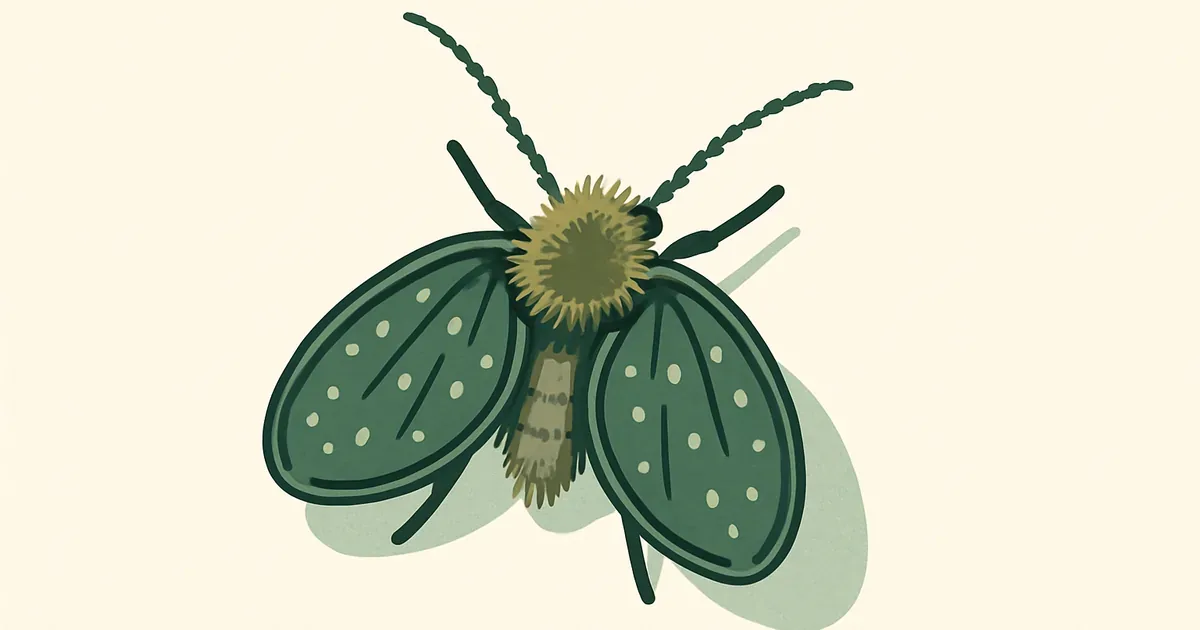
Drain flies (also called moth flies) breed in the slimy biofilm that coats the inside of drain pipes. That biofilm is a layer of bacteria, organic matter, and moisture that builds up over time. It’s the dark, slimy coating you’d see if you could look inside your pipes.
Each female drain fly lays 30-100 eggs directly in the biofilm. Those eggs hatch in 32-48 hours. New adults emerge within about two weeks. Killing the adult flies you see buzzing around does nothing if the biofilm stays. New flies keep hatching from eggs you can’t reach.
Here’s why common fixes fail:
- Chemical drain openers (Drano, Liquid-Plumr) clear clogs but don’t dissolve biofilm. The biofilm clings to pipe walls, and caustic chemicals flow right past it.
- Bleach kills surface-level organisms but doesn’t penetrate the biofilm layer. The film regenerates within days.
- Boiling water loosens some buildup temporarily. But biofilm is sticky and resilient. It reforms quickly after the water cools.
The problem isn’t a clog. It’s a biological coating. And that’s exactly what enzyme cleaners are designed to break down.
How enzyme drain cleaners solve the problem
Enzyme drain cleaners contain bacteria that produce enzymes like lipase, protease, and amylase. These enzymes break down the organic compounds in biofilm at the molecular level. The fats, proteins, and starches that make up the film get digested by the bacteria.
Here’s what makes this approach different from chemicals:
- The bacteria multiply. As long as there’s biofilm to feed on, the bacteria keep producing enzymes. A single application keeps working for hours.
- It’s a biological process, not a chemical one. Enzyme cleaners won’t damage PVC, metal, or old plumbing. Chemical drain openers can corrode pipes with repeated use.
- They remove the breeding ground. No biofilm means no place for drain flies to lay eggs. The cycle breaks.
For more background on the science, read our guide on how enzyme cleaners work.
ℹ️ Why Repeated Treatments Matter
Biofilm doesn’t form in one day, and it won’t dissolve in one day either. The bacteria in enzyme cleaners need time to colonize the pipe walls and work through layers of buildup. That’s why a single treatment rarely fixes a drain fly problem. Consistent nightly applications give the bacteria time to fully break down the film.
The 7-day drain fly treatment plan
This protocol works for most drain fly infestations. Follow each step in order.
-
Day 1: Clean the drain cover. Remove the drain cover or stopper. Scrub it with a stiff brush and hot soapy water. Remove any visible gunk from the top of the drain opening. This clears the way for the enzyme cleaner to reach the pipe walls below.
-
Day 1: Apply the first enzyme treatment. Pour enzyme drain cleaner into the drain according to the product directions (typically 2-4 oz). Do this at night before bed. The product needs to sit undisturbed in the pipe for 6-8 hours. Overnight is the best time because nobody will be running water through that drain.
-
Days 2-7: Apply nightly treatments. Repeat the enzyme application every evening for 7 consecutive nights. Each application adds more bacteria to the pipe. The colony grows stronger with each treatment and breaks down more biofilm.
-
During treatment: Reduce water flow. Run water through the treated drain as little as possible for the first few hours after each application. Water dilutes and flushes the product before the bacteria can attach to the pipe walls. Morning showers and normal use are fine. Just avoid running water right after treatment.
-
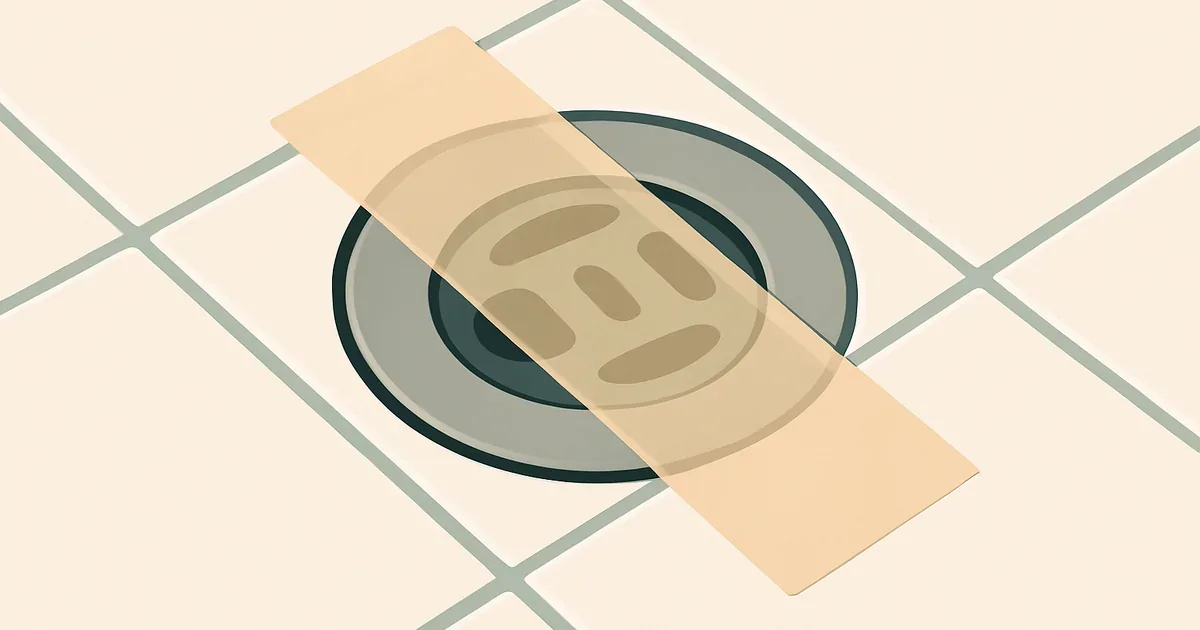
Day 7: Check results. Place a strip of clear tape, sticky-side-down, over the drain opening before bed. Leave it overnight. In the morning, check for flies stuck to the tape. If none are there, the treatment worked. If you still find flies, continue nightly treatments for another 3-5 days.
💡 The Tape Test
The tape test is the most reliable way to know which drains have drain fly activity. Place clear packing tape (sticky-side-down) over each drain in your home overnight. Check it in the morning. Any drain that has flies stuck to the tape needs treatment. This is how pest control professionals identify the source.
7-Day Drain Fly Treatment Plan
Day 1
- • Clear visible debris from drain
- • Apply first enzyme treatment at bedtime
- • Reduce water flow for first few hours
Days 2-6
- • Apply enzyme treatment every evening
- • Reduce water flow after each application
- • Bacteria colony grows stronger with each treatment
Day 7
- • Apply final treatment
- • Place clear tape sticky-side-down over drain before bed
Day 8 (check)
- • Check tape for trapped flies in morning
- • If flies found: continue nightly treatments 3-5 more days
- • If no flies: treatment worked, switch to weekly maintenance
Best enzyme drain cleaners for drain flies
Not all enzyme drain cleaners are the same. These three work well for drain fly control, based on our research.
-
InVade Bio Drain gel: Designed specifically for drain fly and pest control. Pest control professionals use this product. It contains citrus oil and beneficial microbes that coat pipe walls and break down biofilm. It’s the top choice if drain flies are your primary problem.
-
Green Gobbler enzyme drain cleaner: Widely available at hardware stores and online. Uses a bio-enzymatic formula that works well for both maintenance and active infestations. It’s a solid option if you can’t find InVade locally. Read our full review of Green Gobbler enzyme drain cleaner for details.
-
Bio-Clean Drain Septic Bacteria: A concentrated powder formula that you mix with warm water. Strong choice for severe biofilm buildup. It contains a high concentration of bacteria that works well in drains, septic systems, and grease traps.
For a broader look at options, check our roundup of the best enzyme drain cleaners.
⚠️ Avoid Chemical Drain Cleaners During Treatment
Don’t use Drano, Liquid-Plumr, or any caustic drain opener while treating with enzyme cleaner. The chemicals will kill the beneficial bacteria in the enzyme product. Use one or the other, not both. If you’ve recently used a chemical cleaner, flush the drain with plain water for several minutes before starting enzyme treatment.
Monthly prevention schedule
After you’ve cleared the infestation, keep it from coming back with a simple routine.
- Apply enzyme drain cleaner once a month in every drain. Use the same product and dosage as the treatment phase.
- Do it in the evening so the product sits overnight without getting flushed.
- Focus on drains that see less frequent use. Guest bathrooms, basement floor drains, laundry drains, and utility sinks are the most common breeding sites. Standing water and undisturbed biofilm make them ideal for drain flies.
- Run water through seldom-used drains weekly. This flushes the drain trap and keeps it from drying out. A dry trap lets sewer gases (and flies) come up through the pipe.
Monthly enzyme treatments prevent biofilm from building back up. It takes about 60 seconds per drain and costs a few dollars a month in product. That’s a lot easier than dealing with another infestation. For more on how long enzyme cleaners take to work, we have a separate guide.
For homes with septic systems, enzyme drain cleaners are a good fit because they won’t harm the beneficial bacteria in your septic tank. Check our guide on septic-safe enzyme drain cleaners for specific product recommendations.
ℹ️ Don't Forget Floor Drains
Basement floor drains and utility room drains are common drain fly breeding spots because they’re often forgotten. Water in the drain trap evaporates, exposing the biofilm to air and flies. Run water through unused floor drains weekly, and include them in your monthly enzyme treatment.
When to call a professional
Enzyme treatment works well for most drain fly problems. But there are situations where you need professional help.
- Flies persist after 14 days of treatment. If nightly enzyme applications for two weeks haven’t resolved the issue, the breeding source may not be in the drain. Drain flies can also breed in cracked sewer lines, floor drains with broken seals, or condensation pans under appliances.
- Flies appear at multiple drains throughout the house. This can signal a broken sewer line or a systemic plumbing issue. A plumber can scope the line with a camera to check.
- You suspect a damaged or cracked pipe. If the drain fly problem started after plumbing work or in an older home, the issue may be structural. Biofilm can form in cracks that enzyme cleaner can’t reach.
A pest control visit for drain flies typically costs $150-300 (at time of writing), depending on the severity. If they identify a plumbing issue, a plumber’s assessment will cost extra. But catching a cracked sewer line early can save you thousands compared to letting it get worse.
Wrapping up
Drain flies breed in biofilm. Enzyme drain cleaners dissolve biofilm. That’s why they work and chemical cleaners don’t. The 7-day treatment plan gives the bacteria time to colonize your pipes and break down the organic layer where flies lay their eggs.
Follow the full 7-day protocol, even if you stop seeing flies after day 3 or 4. Eggs already laid in the biofilm may still hatch. Then switch to monthly prevention to keep the biofilm from building back up.
If flies keep showing up after two full weeks of treatment, call a professional. The source may be somewhere enzyme cleaner can’t reach. For more on drain maintenance, see our guides to shower and bathroom drain cleaning and garbage disposal cleaning.
Frequently Asked Questions
How long does it take enzyme drain cleaner to get rid of drain flies?
Will Drano get rid of drain flies?
Can drain flies come from clean drains?
Are drain flies harmful?
Do I need to treat every drain in the house?
Related Articles
How to Get Rid of Drain Flies (What Actually Works)
Drain flies breed in the slime inside your pipes, so bleach won't fix it. Here's what actually removes them, and how long it takes to work.
What Is an Enzyme Cleaner? How They Work
Enzyme cleaners use biological proteins to break down stains and odors at the molecular level. Learn how they work and find the right one for your job.
Cleaning Product Researcher
Sarah Chen is a pen name for our lead product researcher. A lifelong dog person who now shares her home with two cats, she's no stranger to enzyme cleaners. She writes the guides and reviews on this site based on product research, ingredient analysis, and real user feedback.